
 English
 Deutsch (German)

User experience - Passkeys
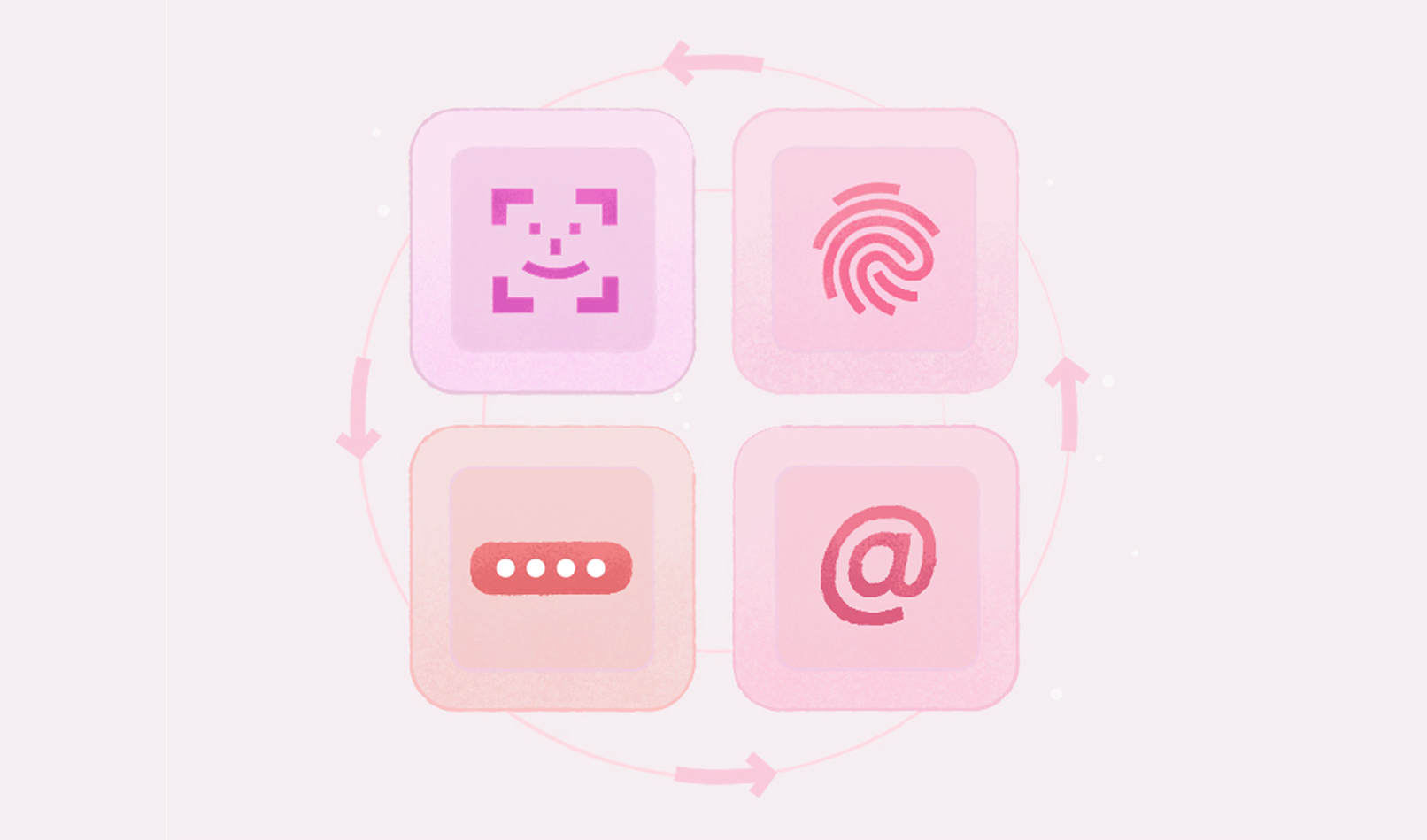
Passwordless login eliminates the need for physical USB keys. Users verify their identity through fingerprint scanning, facial recognition, or a PIN on their own device.

Device compatibility
It works on most modern devices, including those with iOS, Android and the latest versions of Chrome, Safari, and Edge.

Client-side integration
We leverage ready-made libraries and native mechanisms for iOS, Android, and the web that align with Google, Apple, and Microsoft's guidelines for passkeys and WebAuthn.

Long login flows kill conversion
Customers abandon transactions when they are forced to create complex passwords, wait for codes, or navigate recovery flows.

Fragmented customer data
Customers interact with your brand across multiple platforms, each of which has its own login. This breaks the user journey into pieces. Passkeys provide one secure sign-in that connects it all.

Password-based security creates blind spots
Passwords can be phished, reused, or obtained through data breaches. Your security depends on customer vigilance, not cryptography.
Start with a passkey readiness asessment
We support organisations in assessing, designing and introducing passkeys in a way that fits their security architecture and operational reality. Our process begins with a readiness assessment and results in the creation of a rollout plan that clearly defines responsibilities and addresses risks prior to implementation.

Phase 1: Audit - Passkey Readiness
Validate your technical readiness before scaling to de-risk your passkey investment.
We analyze:
 Login friction
 Technical stack
 Security gaps
 Passkeys readiness
Phase 2: Backend IAM - Build Passkey Infrastructure
Deploy identity infrastructure that turns fragmented logins into a unified, secure, and scalable passkey system.
We build:
 IAM architecture
 Core identity server
 Passwordless with passkeys
 SSO across ecosystem
 Existing stack integration
Passkey-specific features
Existing stack integration
Passkey-specific features
 Compliance-ready
Phase 3: Frontend - Launch Passkey to Users
Bring passwordless authentication to web, iOS, and Android, turning complex security into a 1-second, native user experience.
We implement:
.svg) Web (SPA/MPA)
Web (SPA/MPA)
 Mobile
UX Design
Mobile
UX Design
 Progressive flows
 Components & docs
 Rollout support
We integrate with the platforms you already use









%201.png?width=103&height=32&name=Okta_logo_(2023)%201.png)
Check how we approach building Human-Centered Identity Access Management
Phishing attacks are becoming increasingly sophisticated and often bypass traditional security measures. In one case, a senior manager received a highly targeted phishing email that mimicked an internal message. Rather than blaming the user, the organization's security-by-design approach prevented the attack. This approach embeds protections into architecture, workflows, and identity management. It shows how proactive security can stop even the most advanced threats.



-2.png)

.png)
-1.png)