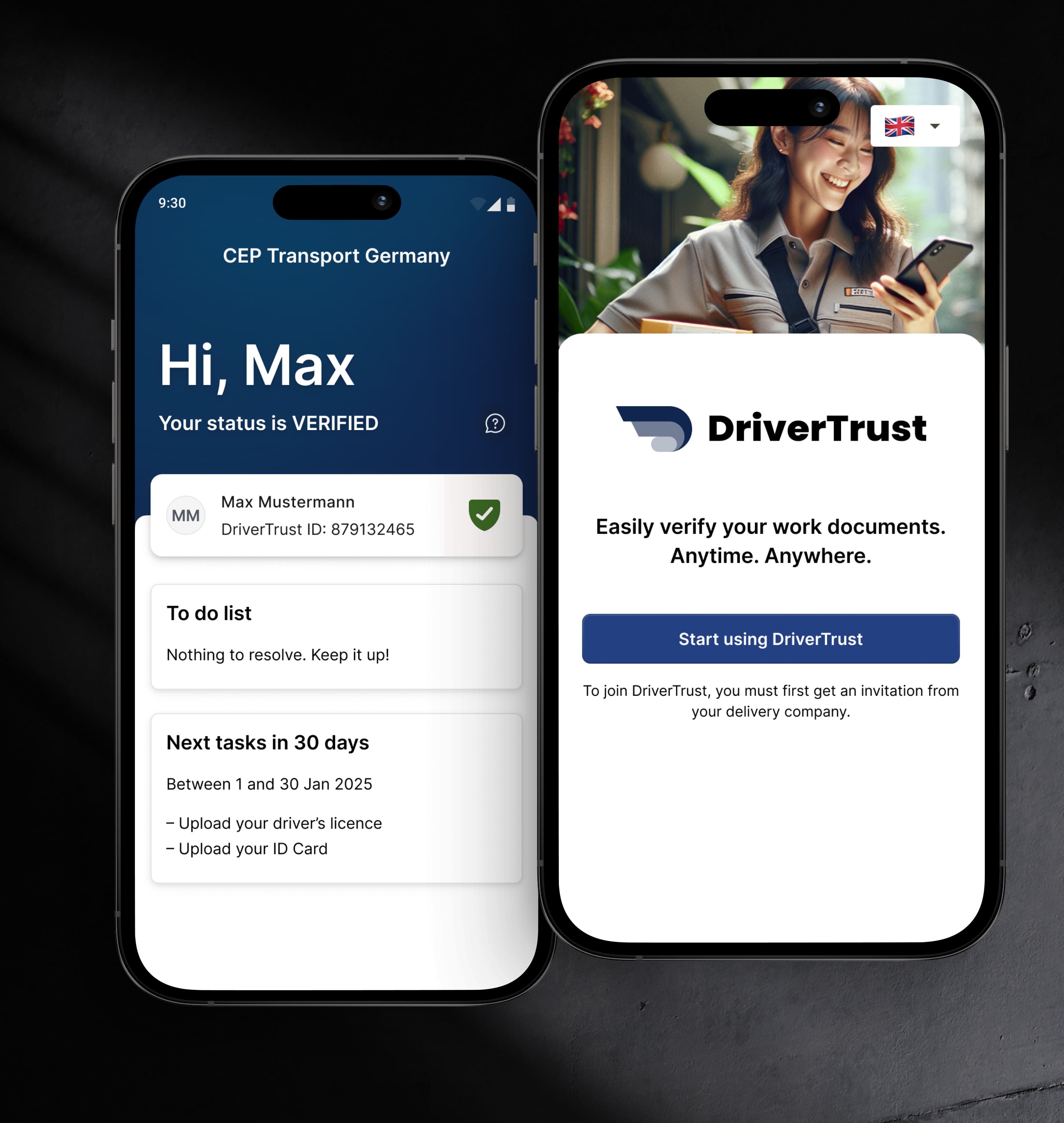
Interactive, high-fidelity prototype
A clickable prototype that reflects real product behavior and interaction logic.
Used for stakeholder reviews, technical alignment, usability validation, and early planning.
We design high-fidelity, interactive prototypes for complex digital products such as SaaS platforms, enterprise systems, internal tools, and configuration-heavy applications.
A clickable prototype that reflects real product behavior and interaction logic.
Used for stakeholder reviews, technical alignment, usability validation, and early planning.
User flows, roles, permissions, and dependencies structured to represent how the system is expected to operate in production. Key product and design decisions made during prototyping are explicitly owned and documented.
These considerations are incorporated into the prototype to support secure and scalable implementation.
Design files, components, and interaction logic organized to support estimation, planning, and hand-off to engineering teams.
Prototypes are reviewed with engineering feasibility in mind, including constraints related to architecture, security, and scalability.
Bringing an idea to life requires a structured approach. Our streamlined prototyping process ensures your product is user-friendly, visually engaging, and ready for development. From initial concepts to interactive designs, we help you test, refine, and validate your vision—before writing a single line of code. Here’s how it works:
Before designing anything, we take the time to understand your product vision, target audience, and business objectives. Through stakeholder interviews, competitor analysis, and user research, we identify key requirements and potential challenges. This phase ensures we build a prototype that solves real problems and aligns with your business strategy.
Wireframes act as the blueprint of your app, mapping out the layout, navigation, and core functionality. At this stage, we focus on user experience (UX), clarity, and logical flows, ensuring the structure is intuitive before adding design elements. Wireframes help you visualize the product’s foundation without distractions, making early revisions easy and cost-effective.
Once the wireframes are approved, we transform them into high-fidelity, interactive prototypes using industry-leading tools like Figma or Adobe XD.These prototypes allow users and stakeholders to click through screens, interact with features, and experience the product as if it were fully functional—without any coding.This is where your idea starts to feel real.
An interactive prototype is only valuable if it meets user expectations. We conduct usability testing and feedback sessions to identify friction points, optimize flows, and refine the design based on real user interactions.This iterative approach ensures that we catch and fix issues before development, saving time and reducing costs.
Once the prototype is finalized, we prepare everything for development.This includes detailed UI designs, interactive specifications, and developer-ready assets, ensuring a smooth transition from design to build. Our prototypes are structured to minimize back-and-forth, accelerating development and reducing rework.
Bringing an idea to life requires a structured approach. Our streamlined prototyping process ensures your product is user-friendly, visually engaging, and ready for development. From initial concepts to interactive designs, we help you test, refine, and validate your vision—before writing a single line of code. Here’s how it works.
We use AI as a supporting tool to increase speed and efficiency, not to replace product judgment.
In practice, this includes:
All decisions related to product logic, UX, system constraints, and security are made by experienced designers and developers. This approach differs from AI-generated prototyping, where interaction and structure are produced without contextual product ownership.
Our prototypes are created by product designers and developers with deep experience in platform architecture, system behavior, and long-term product evolution.
AI-assisted tools are used to accelerate iteration and interaction design, while all critical product decisions remain human-led, owned, and documented.
This service is designed for organizations that require precision and clarity before development begins.
Our proficiency across a diverse ecosystem of tools allows us to seamlessly integrate with each customer’s unique tech stack, ensuring we adapt our workflow to meet your specific project requirements>
We exclusively employ platforms that have undergone rigorous security auditing, ensuring that your proprietary data, technical know-how, and intellectual property remain comprehensively protected throughout the prototyping lifecycle.
We work alongside internal product, engineering, and business teams. The prototype becomes a shared working artifact rather than an isolated design deliverable..
Responsibilities, review cycles, and decision owners are defined upfront to avoid ambiguity and delays.
We design within current technical, organizational, and regulatory realities, including legacy systems, security policies, and internal standards.
Work is reviewed in short, focused cycles. Decisions are documented and reflected directly in the prototype.
Prototypes are structured to support estimation, planning, and hand-off.
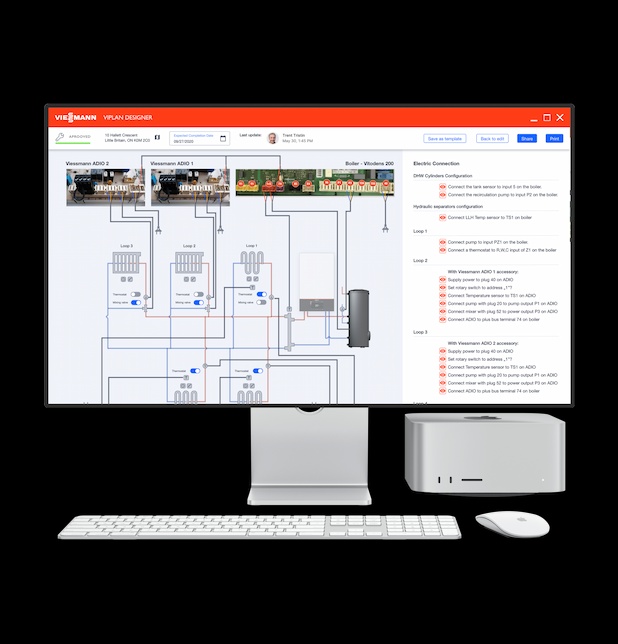
Get a fast, focused prototype covering 1–2 core user flows — ideal for early-stage ideas and quick validations.
A full-featured, test-ready prototype with up to 4 user flows and real-user feedback to support confident decision-making.
Product teams with unique needs, more complexity or internal alignment requirements.
* Final scope and pricing are defined during consultation.
Start with a focused discussion
A short conversation to understand your digital product, technical constraints, and the role prototyping should play.
Testing with prototypes increases user satisfaction by 30% on average.
Prototyping can reduce product development time by up to 50%.
Companies that prototype early and often are 2x more likely to launch successfully.
61% of teams report fewer misunderstandings between designers and developers when using interactive prototypes.
Frequently
asked questions
Digital product prototyping as the process of creating interactive mockups or simulations of a digital product, before development begins, helps validate ideas, test user experience andc flows, and reduce costly revisions.
Studies show that fixing a problem after development can cost up to 100x more than resolving it during the prototyping phase.
We offer everything from low-fidelity wireframes to high-fidelity, interactive prototypes. The latter can increase stakeholder buy-in by up to 50% by clearly demonstrating the product vision. Whether you need a quick concept for feedback or a detailed mockup for development, we tailor the fidelity to your project's needs.
Not at all. Whether you have a rough sketch, an idea, or a business problem, we help turn early concepts into visual, testable prototypes. Our discovery process clarifies the vision and defines key features before design begins.
Our experienced team, composed of senior-level professionals with 10+ years in the field, has delivered successful prototypes across a wide range of industries. We bring a blend of solid market research, technical understanding, and business strategy to every project. Our prototypes have helped launch products used by millions of users worldwide.
Yes, many of our clients have turned prototypes into full products that achieved market success. From MVPs to enterprise platforms, our work has helped validate ideas, raise fundings, and launch user-centric solutions. Clients report up to 40% faster time-to-market and increased user adoption rates after prototyping with us.